


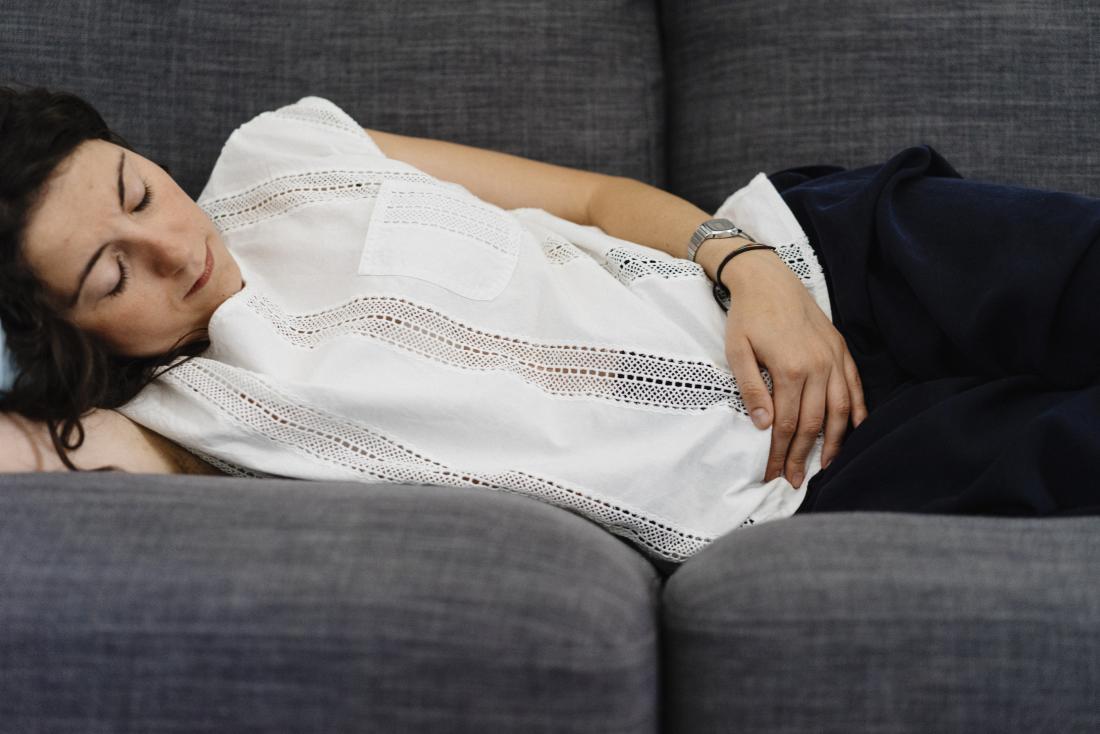
The pelvic floor is a group of muscles that forms a supportive base within the pelvis. These muscles help support the bladder, bowel and reproductive organs and play an important role in bladder and bowel control, sexual function and core stability.
Like other muscles in the body, the pelvic floor can become weaker or function less effectively. Pregnancy, childbirth, hormonal changes and ageing can all contribute, but pelvic floor problems shouldn’t simply be accepted as an inevitable part of getting older or having children.
Why does pelvic floor weakness affect women?
Pregnancy and childbirth place significant demands on the pelvic floor. The muscles and surrounding tissues have to accommodate the growing baby during pregnancy and can be stretched further during vaginal delivery.
Changes in hormone levels during perimenopause and menopause can also affect the tissues of the pelvic floor.
Other factors that can place additional strain on these muscles include:
- Regular heavy lifting
- Chronic coughing
- Constipation and repeated straining
- Being overweight
- High-impact exercise
- Pelvic surgery
- Reduced muscle strength with age
Sometimes there isn’t one obvious cause.
What are the symptoms of a weak pelvic floor?
Pelvic floor problems can present in different ways. Symptoms can include:
- Leaking urine when coughing, sneezing, laughing or exercising
- An urgent or frequent need to urinate
- Difficulty controlling the bowel
- A sensation of heaviness or pressure in the pelvis
- Symptoms associated with pelvic organ prolapse
- Reduced pelvic floor strength
- Changes in sexual function
Pelvic pain can also occur, although importantly, pelvic pain doesn’t necessarily mean that the pelvic floor is weak. In some people the pelvic floor muscles may actually be too tight or overactive, which requires a different approach.
When should you seek help?
Many people feel embarrassed discussing bladder, bowel or pelvic-floor symptoms and consequently put off seeking advice.
However, these problems are common and there are treatment and management options available.
If you experience new, persistent or worsening symptoms, it’s sensible to discuss them with your GP or an appropriately qualified pelvic-health professional so that the underlying cause can be established.
Can pelvic floor muscles be strengthened?
Yes. Pelvic floor muscles can be exercised in much the same way as other muscles, although identifying and contracting them correctly isn’t always as straightforward as it sounds.
Traditional pelvic floor exercises can be very effective when performed correctly and consistently.
At The Form Practice, we also offer PelviPower, a non-invasive technology designed to stimulate the pelvic floor muscles using electromagnetic energy.
During a PelviPower session, you remain fully clothed and sit in a specially designed chair while electromagnetic stimulation causes repeated contractions of the pelvic floor muscles.
Who might consider PelviPower?
PelviPower may be of interest to people looking to improve pelvic floor muscle strength, including those experiencing symptoms associated with pelvic floor weakness.
However, pelvic-floor symptoms can have many different causes and PelviPower isn’t suitable for everyone. We will therefore discuss your circumstances and any relevant medical history before treatment.
Where symptoms require medical or specialist pelvic-health assessment, we will recommend that this is sought rather than simply proceeding with treatment.
A wider approach to pelvic health
The pelvic floor doesn’t work in isolation.
The muscles of the abdomen, hips, back and pelvis all contribute to movement and stability. For someone who also has musculoskeletal symptoms, an osteopathic or sports therapy assessment may therefore be useful alongside appropriate pelvic-floor care.
At The Form Practice in Hardwick, Cambridge, we offer PelviPower alongside osteopathy, sports therapy and other treatments as part of our wider approach to musculoskeletal health and wellbeing.
If you would like to find out more, you can book a free PelviPower trial and experience the technology for yourself.