


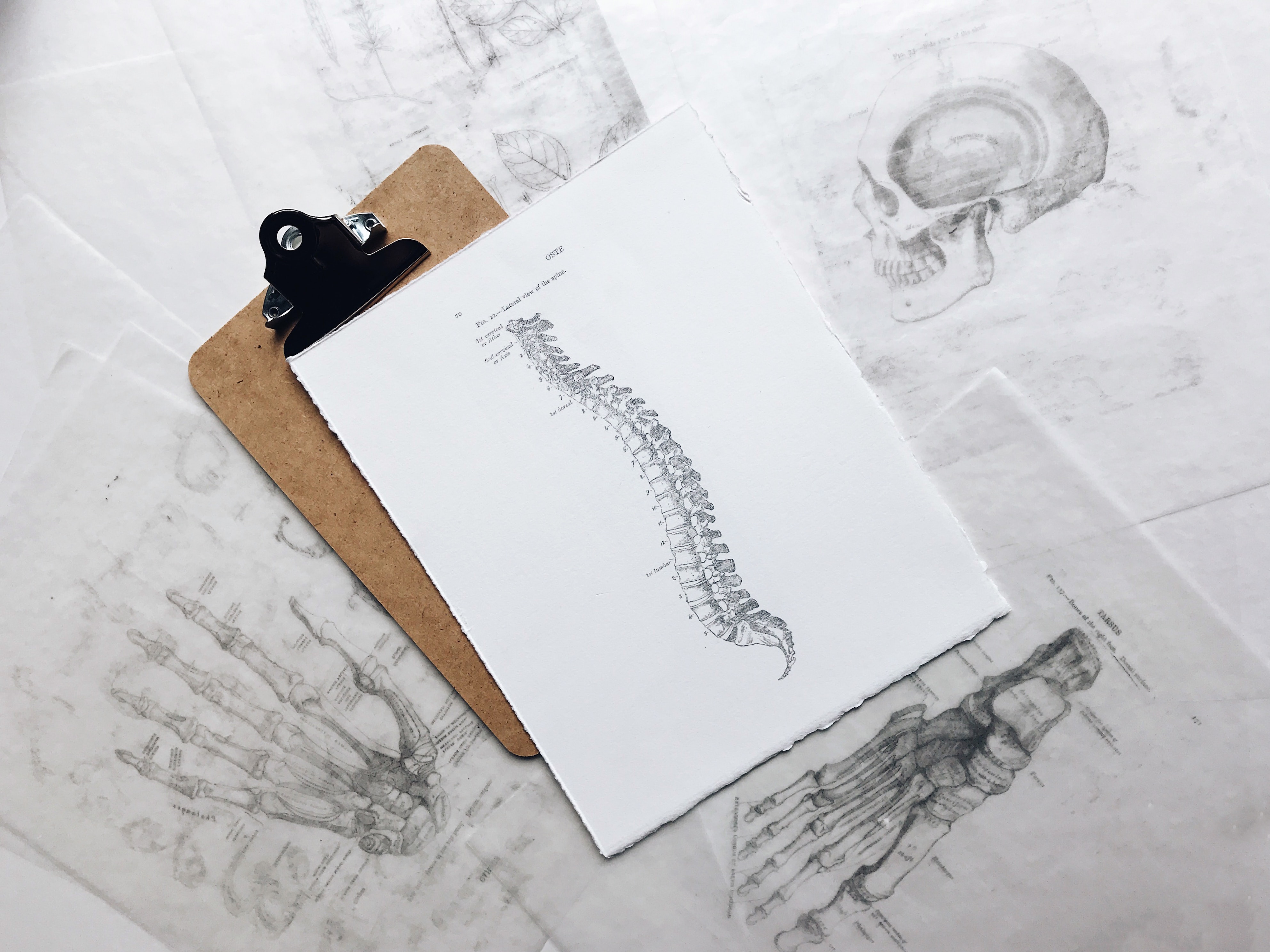
Back pain is extremely common. It can develop suddenly following an injury or build gradually over time, sometimes without an obvious cause.
Long periods of sitting, physical work, exercise, changes in activity and previous injuries can all play a part.
If back pain is affecting your everyday activities, an osteopath can assess your symptoms and help you understand what may be contributing to the problem.
Here are five ways an osteopath may be able to help.
1. Assessing the cause of your back pain
Before treating you, your osteopath will take a detailed history and ask about your symptoms, general health and how the problem is affecting you.
They will usually examine how your back moves and may also assess other areas such as your pelvis, hips or legs.
This helps build a picture of what may be contributing to your symptoms and, importantly, whether osteopathic treatment is appropriate.
Back pain can have many different causes, so treatment should be based on the individual rather than simply treating everyone with back pain in the same way.
2. Improving joint movement
Reduced or uncomfortable movement in the back and surrounding joints can sometimes accompany back pain.
Osteopaths use a range of hands-on techniques designed to improve movement and function.
Depending on your assessment and preferences, these may include gentle joint mobilisation or, where appropriate, manipulation.
Your osteopath will explain the proposed treatment and obtain your consent before proceeding.
3. Addressing muscle tension
Back pain often involves the muscles and other soft tissues surrounding the spine.
Your osteopath may use soft-tissue techniques, stretching and other hands-on approaches to help reduce muscular tension and improve movement.
Treatment isn’t necessarily restricted to the exact point where you feel pain. The hips, pelvis and other areas may also be assessed where relevant.
4. Helping you move with greater confidence
Pain can change the way we move.
After experiencing back pain, it’s understandable to become cautious about certain movements or activities. However, avoiding movement altogether isn’t usually the answer.
Your osteopath may use movement and exercises as part of your treatment and help you gradually return to normal everyday activities.
The advice you receive will depend on your individual symptoms, abilities and goals.
5. Helping you manage your back between appointments
What happens away from the treatment room can be just as important as the treatment itself.
Depending on your circumstances, your osteopath may discuss:
- Exercises and stretches
- Workstation or ergonomic changes
- Lifting and carrying
- Returning to sport or exercise
- Regular movement during the working day
- Ways of managing recurring symptoms
The aim isn’t simply to provide temporary treatment but to help you understand and manage your back more effectively.
What should you expect after osteopathic treatment?
Some people experience temporary soreness or stiffness following hands-on treatment, particularly after their first appointment. This will usually settle relatively quickly.
Your osteopath will discuss what to expect and any advice that’s appropriate following your treatment.
The number of appointments required varies. Some problems improve relatively quickly, while longer-standing or more complex problems may require a different approach.
Your progress should be reviewed rather than automatically prescribing a fixed number of treatments.
When should back pain be medically assessed?
Most back pain isn’t caused by serious disease, but certain symptoms require prompt medical assessment.
Seek medical advice if back pain is accompanied by symptoms such as significant weakness or numbness in the legs, loss of bladder or bowel control, numbness around the genital or saddle area, unexplained weight loss, fever or feeling generally unwell.
You should also seek medical advice following significant trauma or if you have severe or rapidly worsening unexplained pain.
Osteopathy for back pain in Cambridge
At The Form Practice in Hardwick, Cambridge, our osteopaths assess and treat a wide range of musculoskeletal problems, including lower and upper back pain.
Depending on your assessment, treatment may involve hands-on osteopathic techniques together with movement, exercise and advice.
We also have K-Laser and INDIBA therapy available at the practice, which may be incorporated into a broader treatment approach where appropriate.
If back pain is interfering with your work, exercise or everyday life, you can book an osteopathy appointment to have your symptoms assessed.