


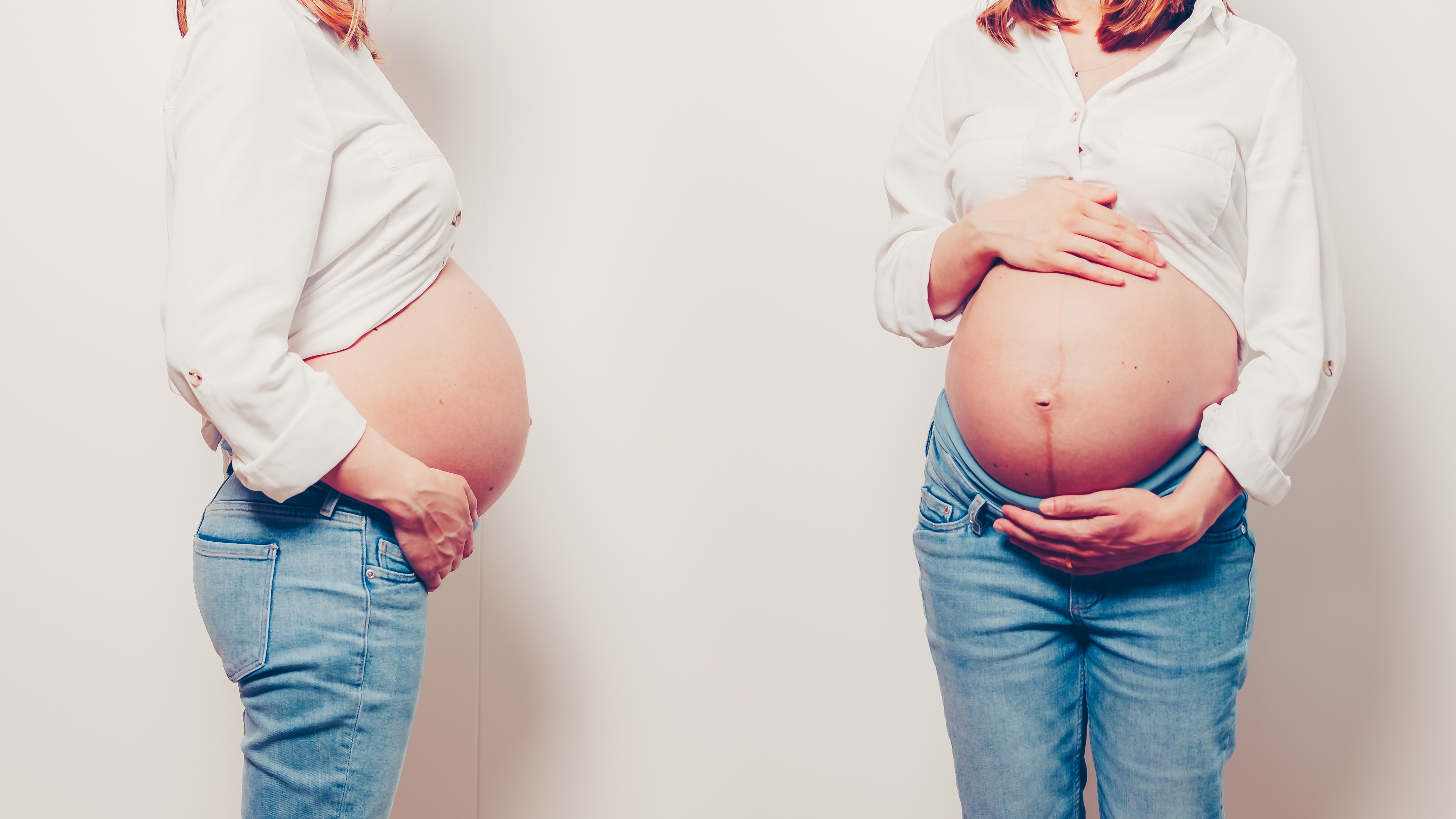
Pregnancy brings enormous changes to the body. As your baby grows, changes in weight, movement and posture can place different demands on your muscles and joints.
For many women this can result in aches and pains, particularly around the lower back and pelvis.
Osteopathy can provide a gentle, individual approach to musculoskeletal problems during pregnancy and may help you remain comfortable and active as your body changes.
Common aches and pains during pregnancy
As pregnancy progresses, your centre of gravity changes and the muscles and joints of the back and pelvis adapt accordingly.
Hormonal changes also affect the body’s ligaments and other tissues.
Common musculoskeletal problems during pregnancy can include:
- Lower back pain
- Pelvic girdle pain (PGP)
- Discomfort around the sacroiliac joints and pelvis
- Hip and buttock pain
- Muscular aches and tension
- Upper-back and rib discomfort
- Neck and shoulder pain
- Headaches associated with musculoskeletal tension
Although aches and pains are common during pregnancy, persistent or significant pain shouldn’t simply be dismissed as an inevitable part of being pregnant.
Can you have osteopathy while pregnant?
Osteopaths are trained to adapt their assessment and treatment according to the individual, including during pregnancy.
Before treatment, your osteopath will take a medical history and discuss your pregnancy, symptoms and any relevant medical information.
Treatment techniques can then be modified according to your stage of pregnancy and individual circumstances.
Depending on your assessment, treatment may include gentle joint mobilisation, soft-tissue techniques, stretching and advice about movement or exercise.
Positioning during treatment can also be adapted to keep you comfortable as your pregnancy progresses.
Pelvic girdle and lower-back pain during pregnancy
Pelvic girdle pain can be felt around the front or back of the pelvis and may make activities such as walking, climbing stairs, getting in and out of a car or turning over in bed uncomfortable.
Lower-back pain is also common as the body adapts to pregnancy.
An osteopathic assessment can look at how the back, pelvis, hips and surrounding muscles are moving and functioning.
Your osteopath may also suggest practical changes to everyday activities and exercises that could help you manage your symptoms between appointments.
Preparing your body for the later stages of pregnancy
As pregnancy progresses, maintaining comfortable movement can become increasingly important.
Osteopathy cannot determine or correct the position of your baby, but it can help address musculoskeletal discomfort and restrictions that may be affecting how comfortably you move.
Advice about posture, movement and appropriate exercise may also help you adapt as your body continues to change.
Osteopathy after your baby is born
Pregnancy isn’t the only time your body has to adapt.
After giving birth, new physical demands arrive very quickly. Feeding, carrying, lifting and repeatedly bending over your baby can all place additional strain on your back, neck and shoulders.
If you’re experiencing musculoskeletal pain following pregnancy or birth, an osteopathic assessment can look at areas such as your back, pelvis, hips, neck and shoulders and consider how your new daily activities may be contributing.
When should you seek medical advice?
Not every pain experienced during pregnancy is musculoskeletal.
If you develop new, severe or unexplained pain, bleeding, contractions, significant shortness of breath or any symptom that concerns you during pregnancy, contact your midwife, maternity unit, GP or other appropriate healthcare professional.
Your osteopath will also refer you for medical assessment if your symptoms suggest that osteopathic treatment isn’t appropriate.
Pregnancy osteopathy in Cambridge
At The Form Practice in Hardwick, Cambridge, our osteopaths offer individual assessment and treatment for musculoskeletal problems during pregnancy.
If you’re experiencing back, pelvic, hip, neck or muscular discomfort during pregnancy, you can book an osteopathy appointment or contact us to discuss whether osteopathy may be appropriate for you.